This 15-day expedition combines three of Peru’s most iconic birding destinations into one seamless journey. Starting in Cusco, we travel west to the Apurímac Canyon, home to the rare Apurímac Spinetail and the majestic Andean Condor, before crossing the Sacred Valley to explore the mystical citadel of Machu Picchu.
From there, we descend along the legendary Manu Road, one of the richest birding routes on Earth, spending several days exploring cloud forest, foothill, and lowland habitats.
With expert guides, comfortable lodges, and a well-paced itinerary, this tour offers both exceptional bird diversity and access to Peru’s most beautiful landscapes.
John F.K. International Airport (Google Map)
3 Hours Before Flight Time
4 Bedrooms
6 Bathrooms
This 15-day expedition combines three of Peru’s most iconic birding destinations into one seamless journey. Starting in Cusco, we travel west to the Apurímac Canyon, home to the rare Apurímac Spinetail and the majestic Andean Condor, before crossing the Sacred Valley to explore the mystical citadel of Machu Picchu.
From there, we descend along the legendary Manu Road, one of the richest birding routes on Earth, spending several days exploring cloud forest, foothill, and lowland habitats.
With expert guides, comfortable lodges, and a well-paced itinerary, this tour offers both exceptional bird diversity and access to Peru’s most beautiful landscapes.
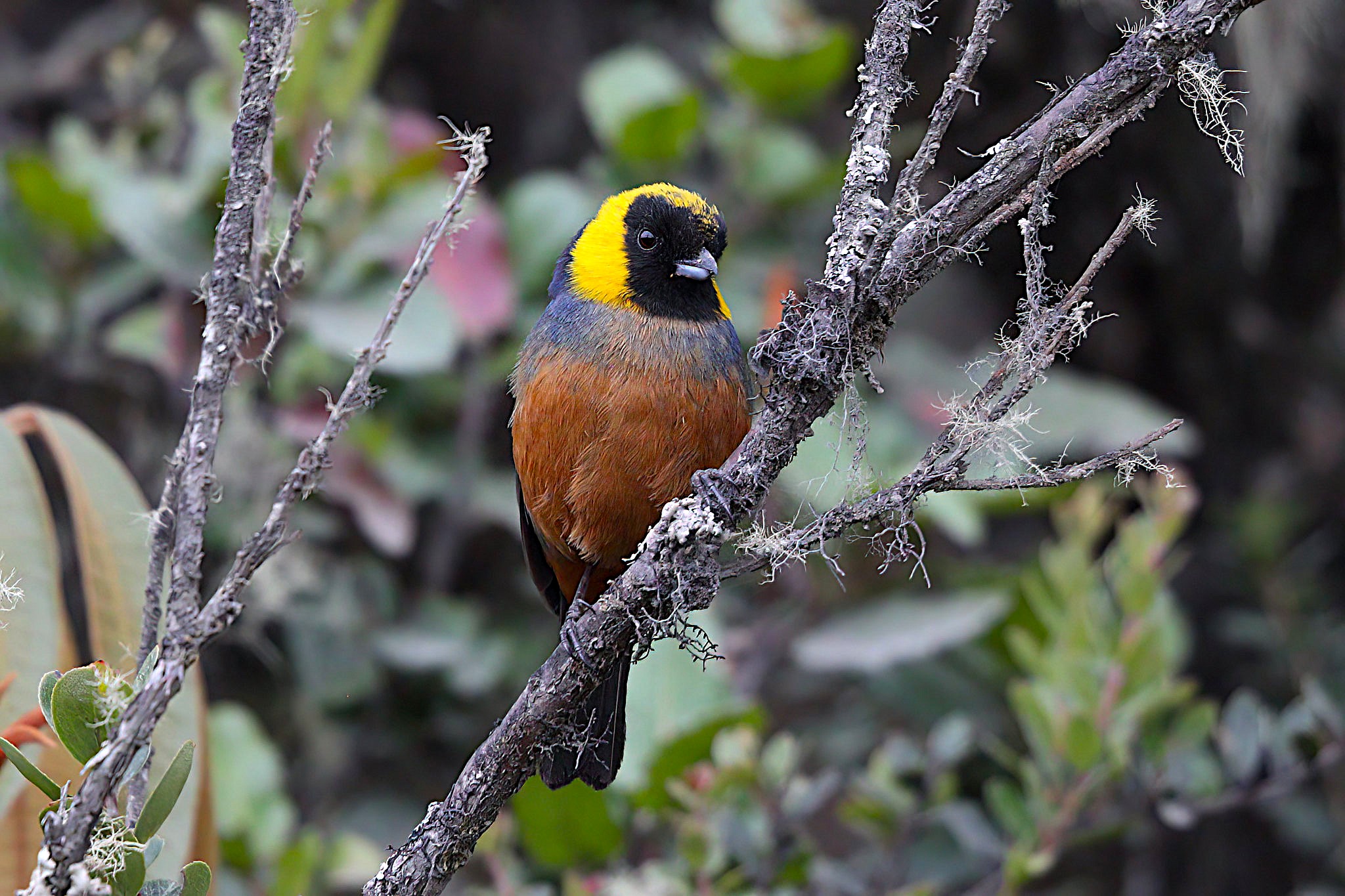
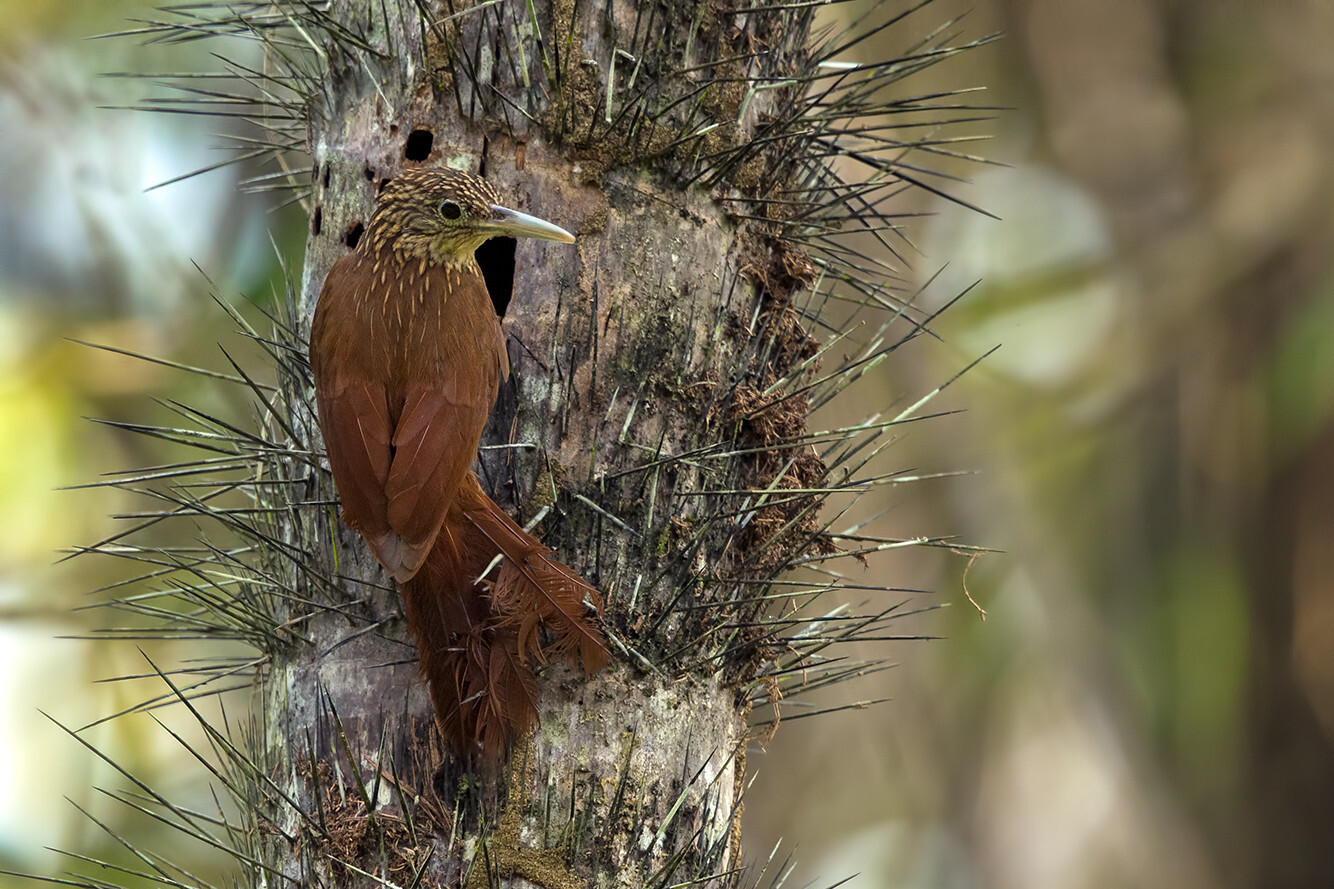
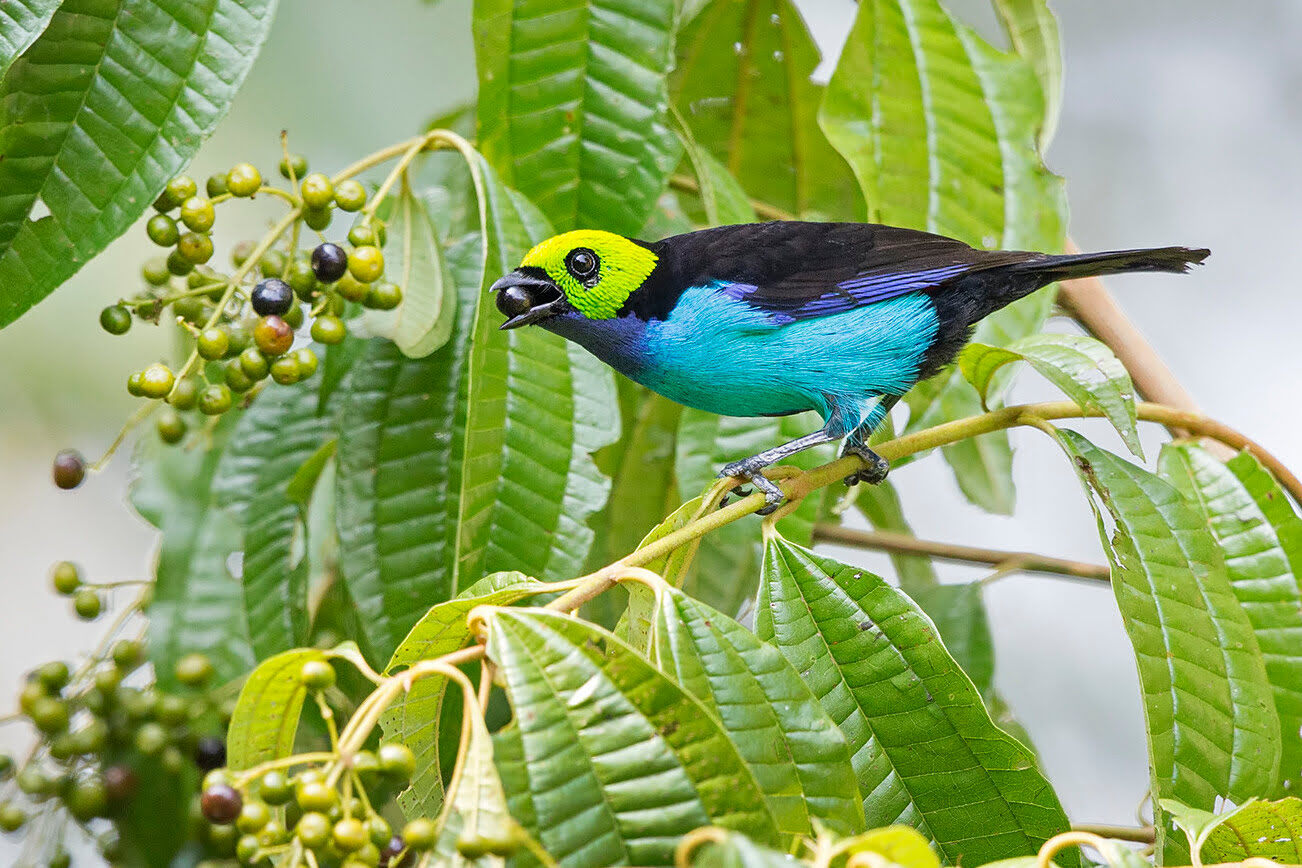
Upon arrival in Cusco, you’ll have time to rest and adjust to the altitude before beginning our Andean adventure. In the afternoon, we explore nearby gardens and eucalyptus woodlands where a number of high-Andean birds are easily seen and photographed. This first walk allows you to test your camera gear and adapt to the light conditions of the Andes. Common sightings include Moss-backed Tanager, Golden-crowned Tanager, White-browed Spinetail, and Spotted Brush-Finch—all excellent subjects for your first portraits in Peru. Overnight in Apurimac.
We depart early toward the spectacular Apurímac Canyon. The landscape changes dramatically as we reach high plateaus and deep cliffs—ideal for observing large raptors. With a bit of luck, we may spot the majestic Andean Condor soaring over the canyon, as well as White-capped Dipper, Torrent Duck, and Rufous-bellied Seedsnipe in alpine grasslands. This is a perfect day for wide-angle photography and condor flight shots framed by Andean scenery. Overnight in Apurimac.
Today we explore humid montane forests and Polylepis patches on the Apurímac slopes, home to several range-restricted endemics. We’ll search for Chestnut-breasted Mountain-Finch, Buff-breasted Mountain-Tanager, and the stunning White-tufted Sunbeam, a Peruvian endemic hummingbird. The forest edge also attracts Creamy-crested Spinetail and mixed flocks of colorful tanagers. Afternoon light in these forests offers great contrast for detailed feather photography. Overnight in Apurimac.
We travel back toward Cusco and continue to the Sacred Valley, stopping for birding in semi-arid valleys and agricultural terraces. The mosaic of fields, shrubby slopes, and riparian vegetation provides a home for Blue-and-black Tanager, Rufous-collared Sparrow, and several flycatchers. Cultural landscapes mix beautifully with Andean birdlife—ideal for contextual, environmental photography.
Today we cross the Andes eastward toward the famous Abra Málaga Pass (4,300 m), one of the best high-elevation birding sites in Peru. The windswept puna and Polylepis fragments harbor a remarkable set of localized species, including Royal Cinclodes, Ash-breasted Tit-Tyrant, Stripe-headed Antpitta, and White-browed Tit-Spinetail.
As we descend along the humid eastern slope, the vegetation changes rapidly, and we encounter species such as Tit-like Dacnis, Rufous-breasted Chat-Tyrant, and Black-faced Brushfinch. The dramatic landscape, often covered in mist, provides stunning opportunities for wide-angle mountain photography and close portraits of high-Andean endemics.
By late afternoon, we continue toward the upper Manu Road area, reaching our lodge near Wayqecha in time for dinner and night photography at the lodge’s feeders.
Our route follows the lush slopes toward Aguas Calientes, where the lower montane forest begins. Along the way, we’ll explore forest edges and shaded trails in search of Masked Fruiteater, Andean Motmot, Chestnut-crowned Antpitta, and a variety of tanagers. The subtropical climate and misty ambiance make this section especially rewarding for atmospheric forest photography.
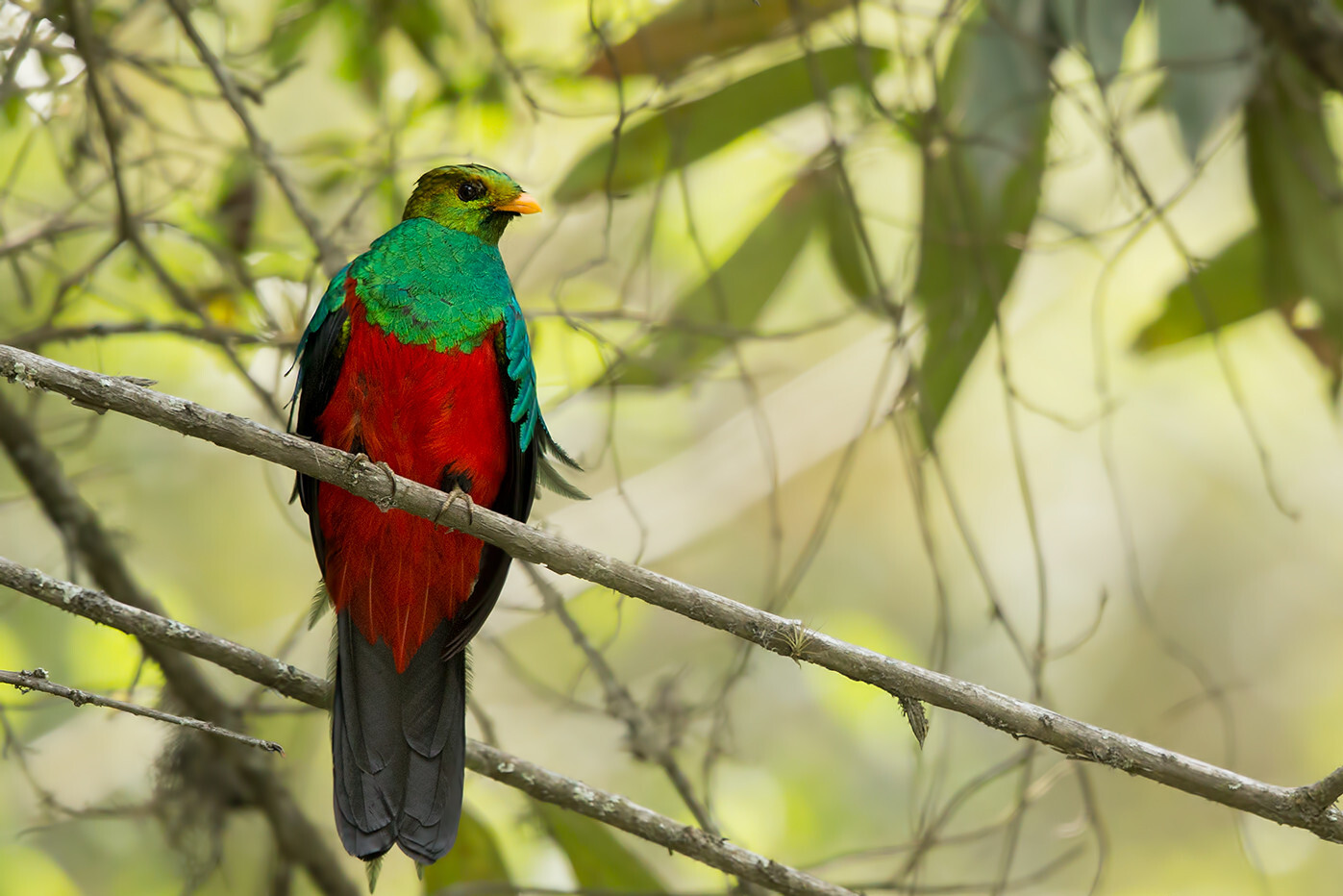
At sunrise, we enter the iconic citadel of Machu Picchu—a magical setting both culturally and ornithologically. Early light enhances the colors of the forest and ruins as birds become active. We’ll look for Torrent Tyrannulet, Golden-headed Quetzal, Long-tailed Antbird, and mixed flocks of tanagers. The combination of archaeology, cloud forest, and wildlife creates one of the most photogenic mornings of the trip.
After breakfast, we return to Cusco to rest and prepare for our descent along the famous Manu Road. In the afternoon, we’ll do some light birding in nearby wetlands and grasslands, looking for Yellow-bellied Seedeater, Andean Lapwing, and White-banded Swallow. This evening, we review checklists and gear before entering one of the most biodiverse regions on Earth. Overnight in Ollantaytambo.
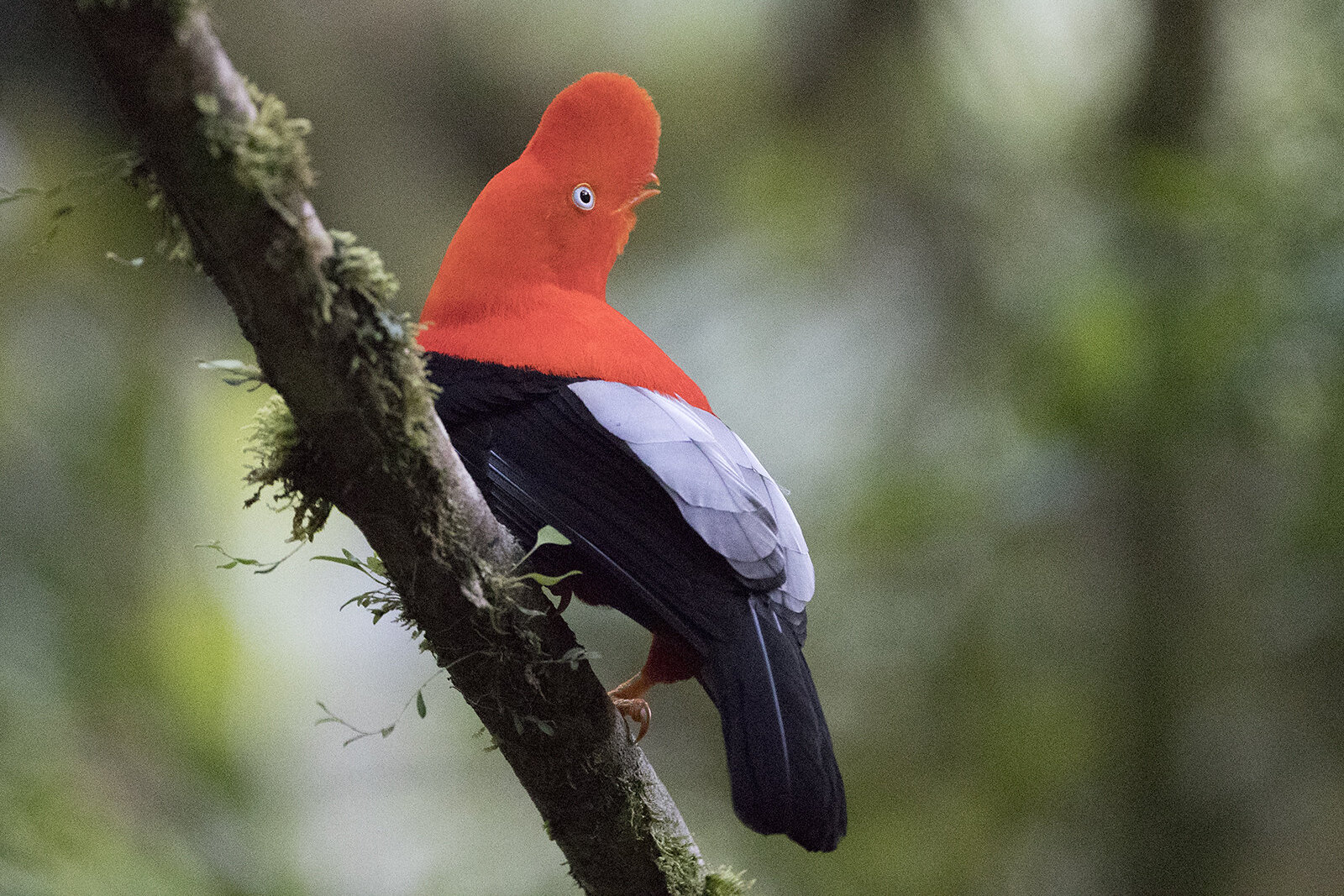
We begin our gradual descent along Manu Road, one of the world’s most celebrated birding routes. From the Andean puna we enter lush cloud forests, stopping frequently for mixed flocks and canopy activity. The morning may bring Andean Cock-of-the-rock, Golden-collared Tanager, and Blue-capped Tanager, while hummingbird feeders attract Amethyst-throated Sunangel and Violet-throated Starfrontlet. Afternoon mist creates ideal conditions for soft-focus photography among moss-draped trees.
A full day devoted to the middle-elevation cloud forest. Trails and roadside observation points reveal extraordinary bird diversity. We focus on Long-tailed Sylph, Dusky Piha, Barred Fruiteater, and various manakins displaying in shaded leks. This section is superb for slow shutter-speed forest shots and capturing motion in dim light. The day often ends with active Cock-of-the-rock leks—a highlight for any photographer.
We continue descending toward the humid foothills, where Andean and Amazonian species overlap. Along this ecological transition zone, we may encounter Sickle-winged Guan, Plushcap, White-throated Quail-Dove, and numerous antbirds and tanagers. The lower elevations are warmer, with soft golden light filtering through tall forest—ideal for both telephoto and macro perspectives.
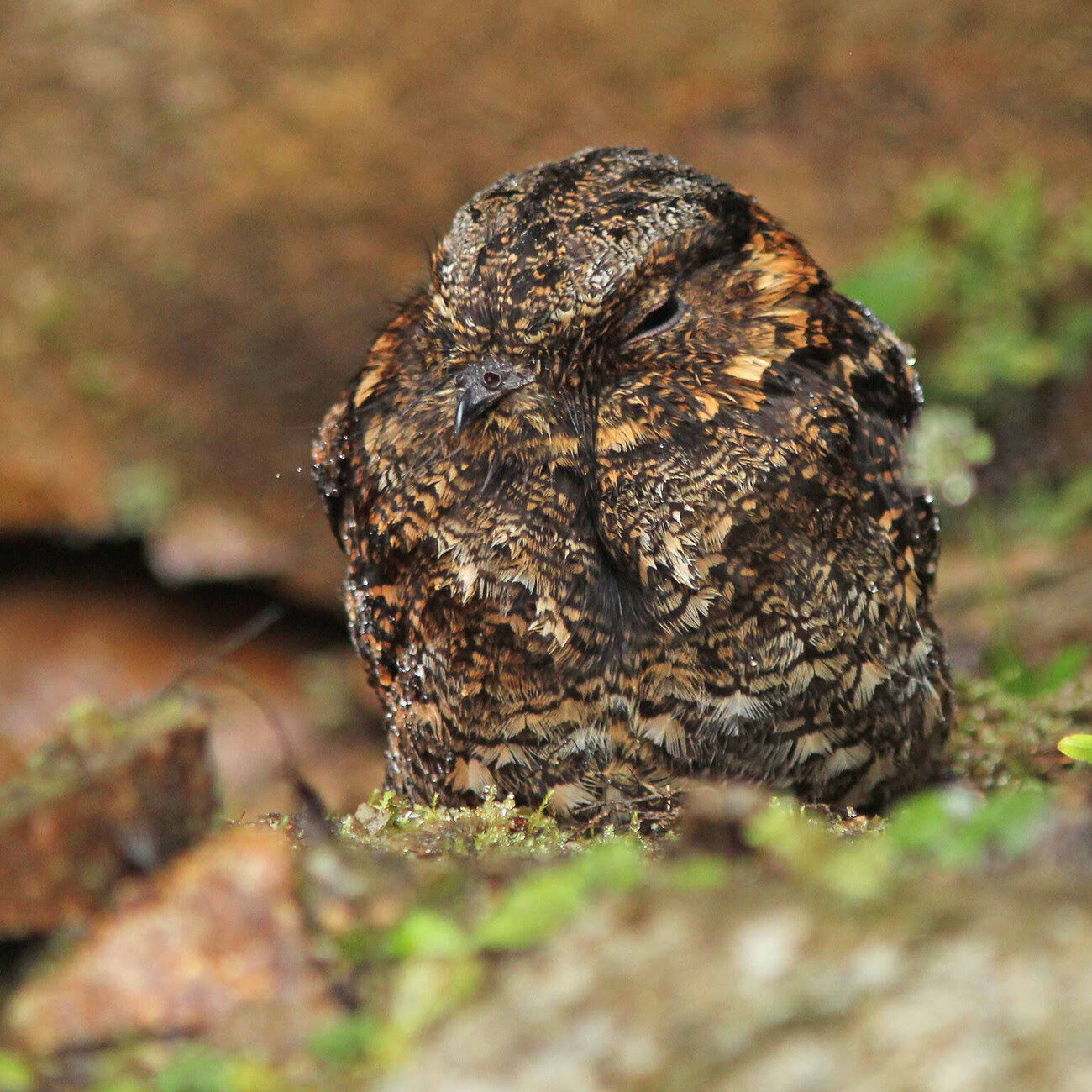
The avifauna now becomes overwhelmingly rich. We spend the day exploring forest trails and river edges in search of Fiery-throated Fruiteater, Gray-breasted Sabrewing, Yellow-throated Toucan, and cotingas. With patience, we may find Lyre-tailed Nightjar during evening light. The lower canopy teems with mixed flocks—perfect for action photography of tanagers and flycatchers.
We reach the lowland rainforest, where the scale of diversity is astonishing. Full-day birding around riverine forest and oxbow lakes may produce Blue-and-yellow Macaw, Chestnut-fronted Macaw, Great Jacamar, and possibly Harpy Eagle in preserved areas. This is a prime opportunity for early-morning photography, as large parrots and raptors take flight against the misty forest canopy.
In the afternoon begin our journey back to Cusco, stopping en route for last chances at cloud forest specialties. As we ascend, we revisit transitional habitats that often reveal new species such as Golden-headed Quetzal or Andean Solitaire. The afternoon drive offers scenic Andean photography and a quiet farewell to Manu’s spectacular biodiversity.
After breakfast, we enjoy a relaxed morning in Cusco. Depending on your flight time, there may be a final short outing for Andean species or photography in the city’s outskirts. We conclude our expedition with a full species review and transfer to the airport for your onward journey.